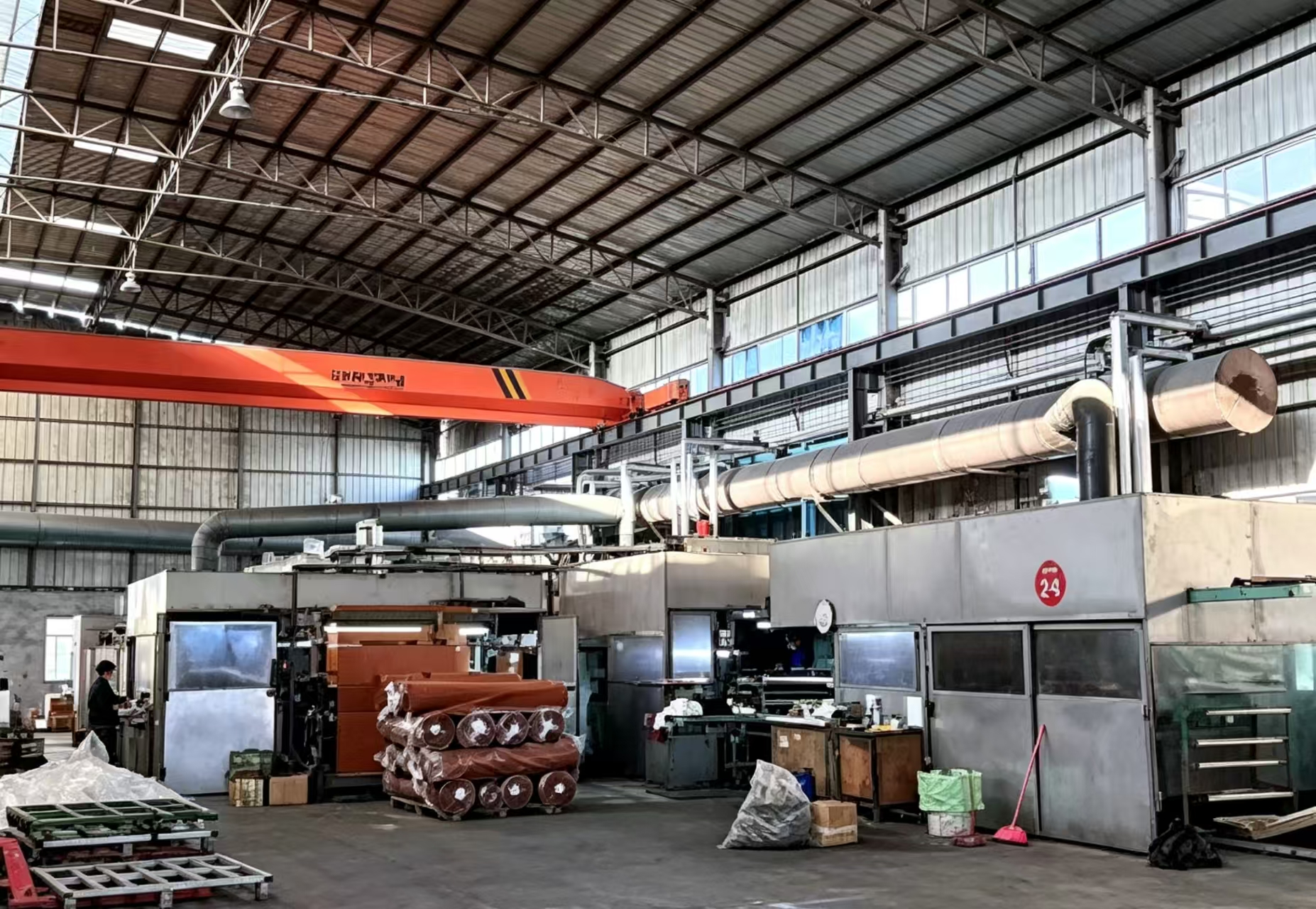
Production Process and Cost Structure: The Basic Game Between Embossing Rollers and Release Paper
PVC leather patterns are usually hot-pressed directly by steel embossing rollers at the end of the production line, offering long mold life and low amortized costs. PU leather mostly adopts the Release Paper Process or basic embossing. Since release paper is typically scrapped after 4-5 uses and PU resin costs are inherently higher, the comprehensive ex-factory price of PU is usually 1.5 to over 2 times that of PVC.
TENGXIANG’s Pragmatic Solution:
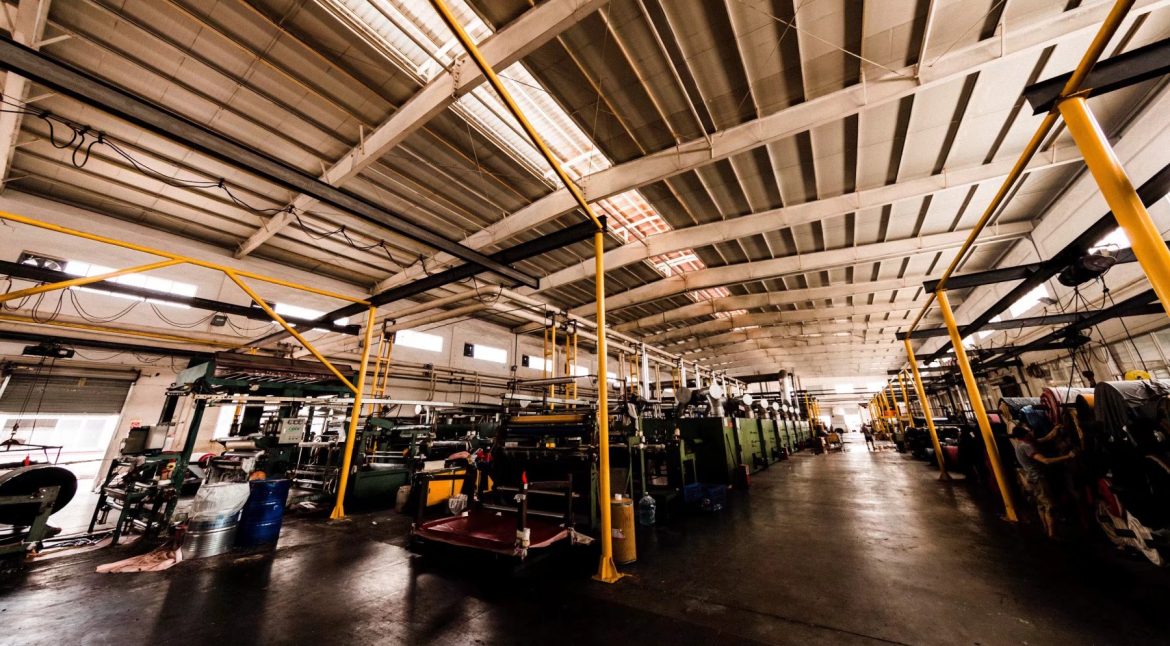
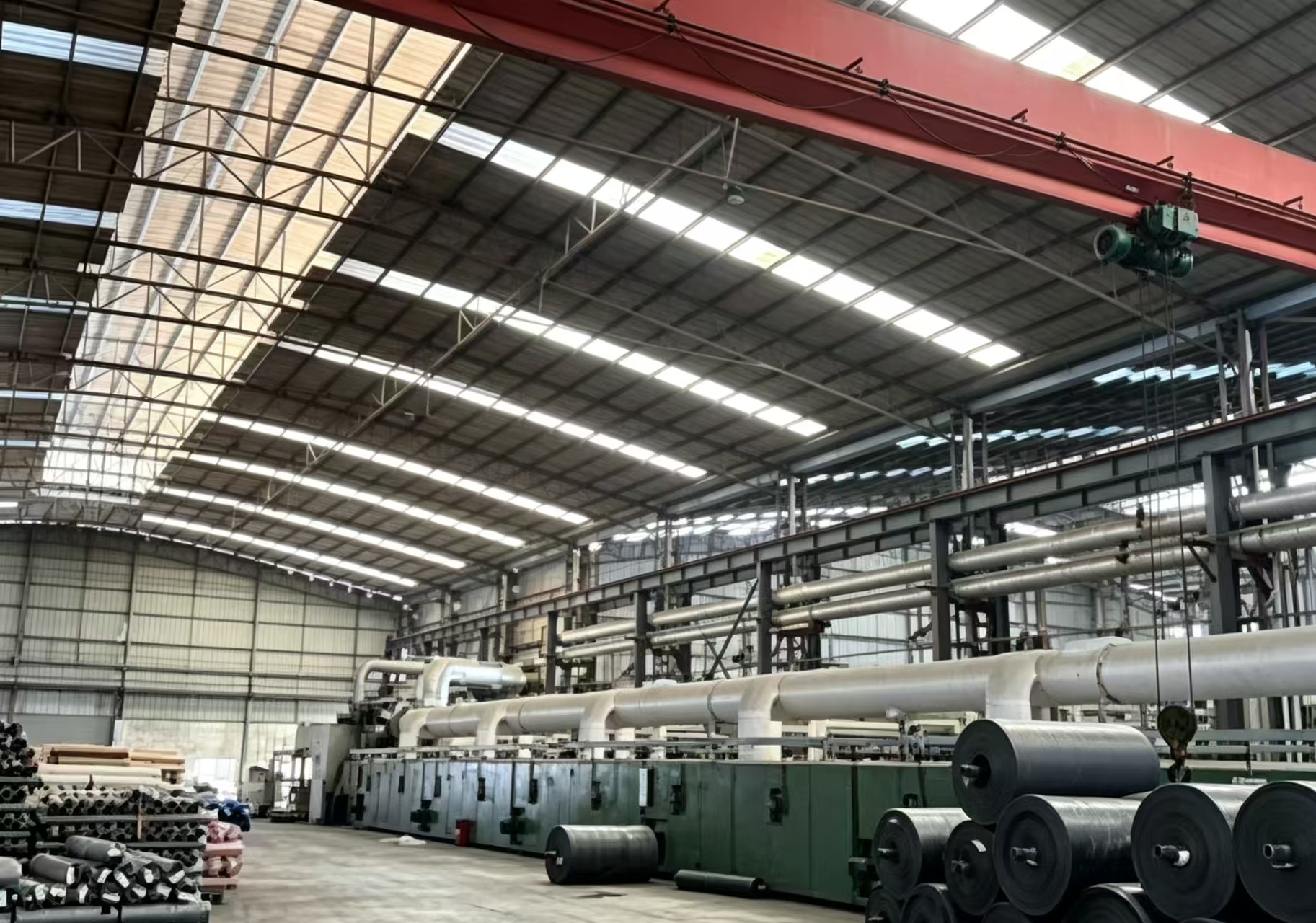
We possess mature PVC calendering/coating lines and PU dry/wet-process lines. While focusing on basic processes, we have maximized our capabilities in texture
development and cost control:Massive basic texture library: We have reserved hundreds of conventional steel roller and release paper textures (such as classic Napa, lychee, plain weave, basic cross pattern, etc.)
Mature Post-treatment Processes: Through basic tumbling, printing, and surface spraying, we can effectively improve the surface touch and gloss of basic PVC and PU without significantly increasing costs, presenting a more natural genuine leather visual effect.
Physical Properties and Formula Control: Making “Standard Metrics” Batch-Stable
PVC is inexpensive, but traditional formulas tend to stiffen at low temperatures and feel relatively rigid. PU features soft gloss, supple hand feel, good cold resistance, and a stronger genuine leather feel.
Many factories can produce basic materials, but bulk quality often fluctuates. TENGXIANG’s core competitiveness lies in formula stability and strict tolerance control:
Balancing Touch and Cold Resistance: In standard PVC production, we precisely control the ratio of basic plasticizers to ensure the leather maintains proper softness at normal temperatures, avoiding a “dead stiff” feel. For PU, we strictly manage polyurethane resin ratios to ensure excellent flexibility and plumpness.
Batch Stability: We know buyers fear “great initial samples, but poor bulk production.” TENGXIANG’s workshop strictly monitors basic physical metrics for every batch (such as thickness tolerance, GSM, and basic peeling strength), ensuring the 1st roll and the 100th roll are highly consistent.
Application Scenario Matching: Don’t Blindly Chase Premium, Just Choose the Right One
Bags & Luggage: Bags do not require the high-frequency flexing or heat dissipation of footwear. Therefore, standard PVC leather is a highly cost-effective choice. TENGXIANG’s basic PVC bag leather is abrasion-resistant, scratch-resistant, and easy to maintain, significantly reducing the end-product’s BOM (Bill of Materials) cost.
Footwear: Shoe uppers must withstand flexing and foot heat. We recommend basic PU leather for uppers or load-bearing areas, utilizing its good breathability and flexibility. PVC is mostly used for linings, platforms, or non-load-bearing parts to optimize overall costs.
Standard Furniture & Interiors: For home sofas, office chairs, or basic automotive interiors, TENGXIANG’s standard PU and reinforced PVC easily meet daily abrasion and tear resistance requirements, providing comfortable seating and touch.
Rapid Identification and Basic QC: Ensuring Every Meter Stands Up to Scrutiny
Thickness and GSM Control: Using precision thickness gauges to ensure uniform thickness across the entire roll, with no corner-cutting.
Basic Peeling and Tear Testing: Regularly sampling the adhesion between the base fabric and coating to ensure no delamination during standard sewing and pulling.
Color Fastness Inspection: Ensuring basic colors don’t rub off under standard friction, and bulk colors accurately match the confirmed sample.